Master
Postgraduate degrees at top German universities — research, specialise, and level up your career.
- Who it's for
- A recognised Bachelor's degree
- Proof of language ability
- Relevant background
- What you'll need
- Transcripts
- CV & motivation letter
- Language certificate
- Recommendations
Your timeline
- 1.ShortlistChoose programs & universities together.
- 2.ApplyPrepare documents and submit applications.
- 3.OfferAccept your admission and confirm funding.
- 4.VisaApply for your student visa & residence permit.
- 5.FlyArrive, settle in, and start your degree.
- Costs
Often low or no tuition at German public universities — usually just a small semester fee.
- Scholarships
DAAD, Erasmus+, university merit awards, and assistantships.
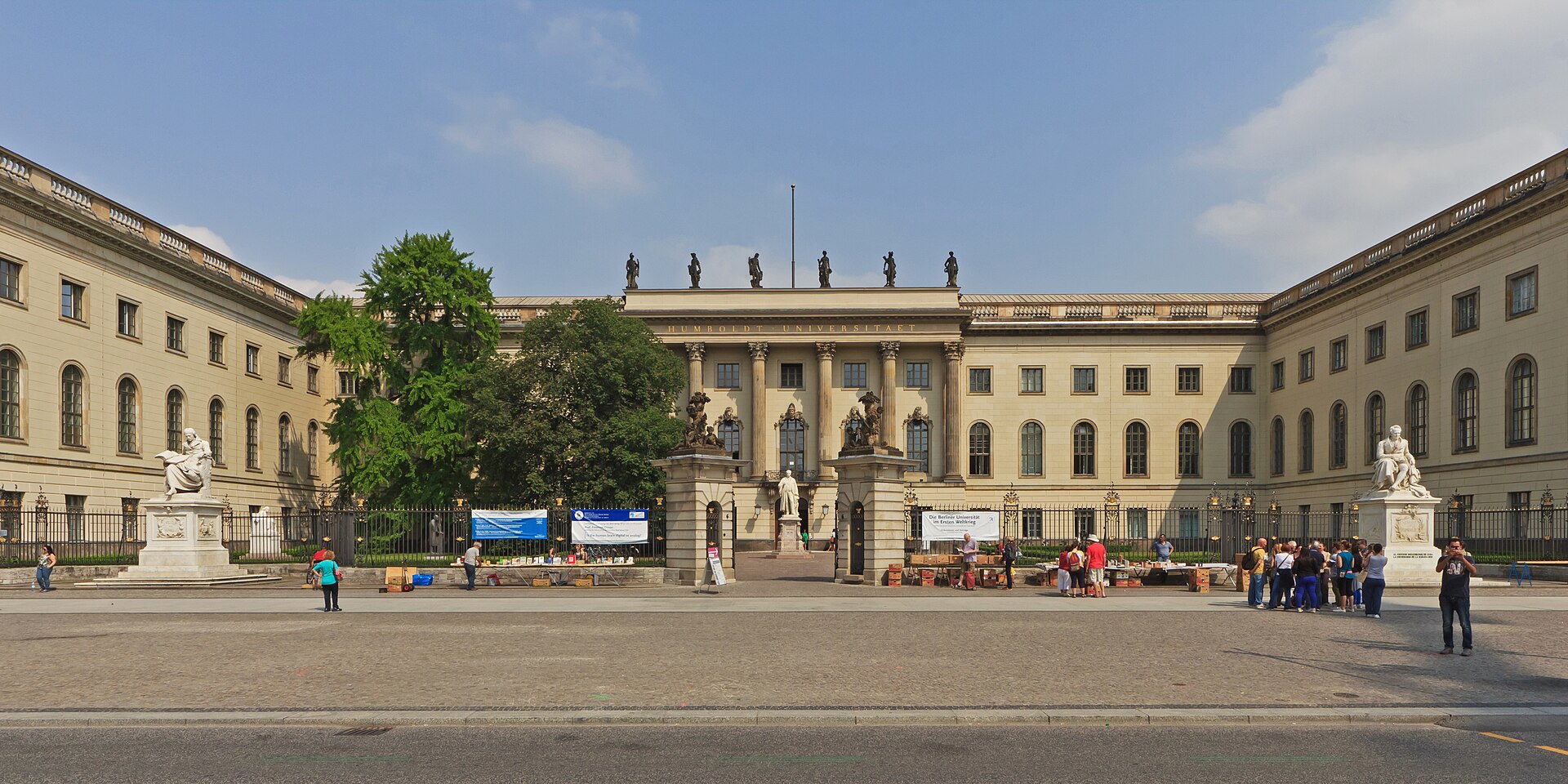
- Popular universities
- TU Munich
- Heidelberg University
- RWTH Aachen
- LMU Munich
- Where it leads
- Research
- Industry specialist
- Doctoral studies
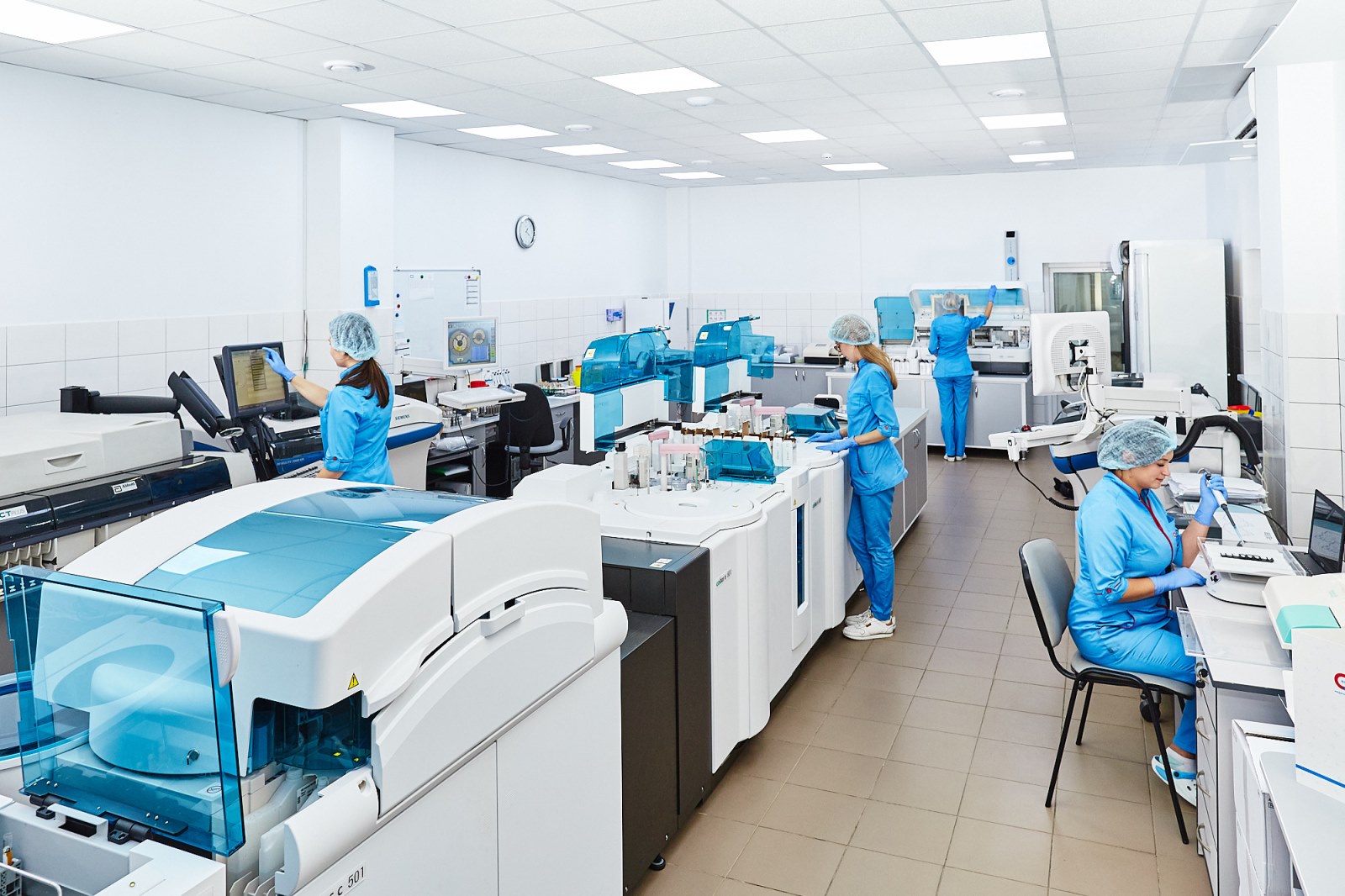
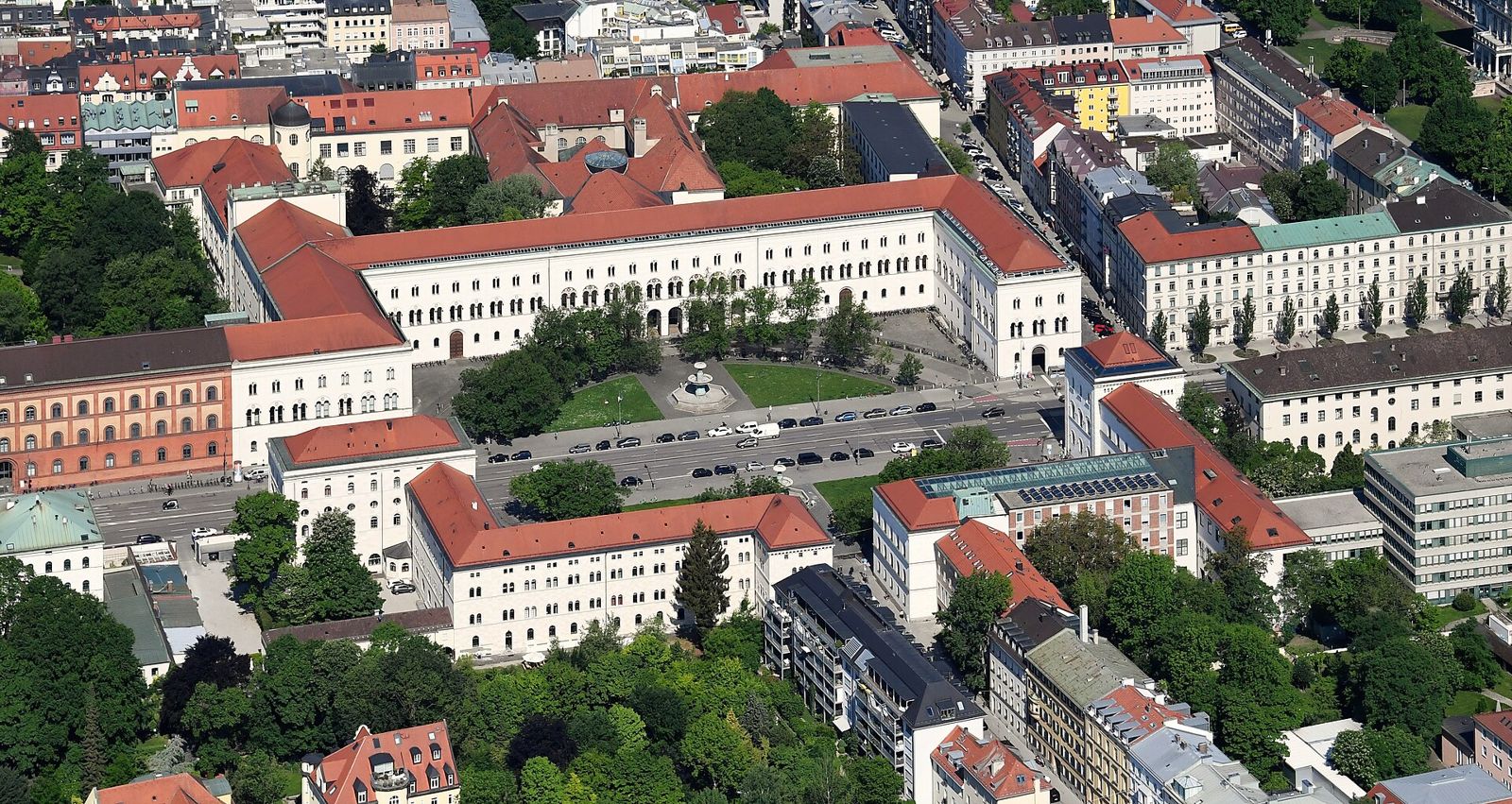
The experience, in pictures

Talk to someone who's done it
Before you decide anything, we'll connect you with our students and alumni who went through this exact program — real experiences, honest answers, no filter.
Ask to talk to a studentGood questions
Can I study a Master's in English?
Yes — Germany offers many English-taught Master's programs.
What are the entry requirements?
A relevant Bachelor's degree recognised in Germany plus proof of language — we check your eligibility for free.
How long does a Master's take?
Typically 1.5–2 years (3–4 semesters) in Germany.
How much does it cost?
Public German Master's are often tuition-free — plan mainly for the small semester fee and living costs.
Can I work while studying?
Yes — students in Germany may work 140 full or 280 half days per year.
When should I apply?
Ideally 8–12 months before your intake, to cover admissions, visa and funding.
Start your application
Postgraduate degrees at top German universities — research, specialise, and level up your career.
Book Free Consultation