Germany
Tuition-free degrees, paid training, and bratwurst sunsets.
The overview
Germany is Europe's powerhouse for international students: world-class universities, low or no tuition at public unis, and a famous paid-training (Ausbildung) route. English-taught Master's are everywhere, and the post-study work options are some of the best in the world.
Cities to call home
- Berlin
Creative, affordable, never asleep.
- Munich
Alps on the doorstep, jobs in tech & auto.
- Hamburg
Harbour city with a maritime soul.
- Frankfurt
Skyline finance hub with one of Europe's busiest airports.
- Cologne
Cathedral city famous for carnival and warmth.
- Leipzig
Artsy, affordable, and rising fast.
Quick facts
- Capital
- Berlin
- Language
- German (lots of English programs)
- Currency
- Euro (€)
- Avg. monthly cost
- €950–1,200
- Post-study visa
- 18 months
Top universities
- Technical University of Munich · Munich#28
- Heidelberg University · Heidelberg#47
- RWTH Aachen · Aachen#99
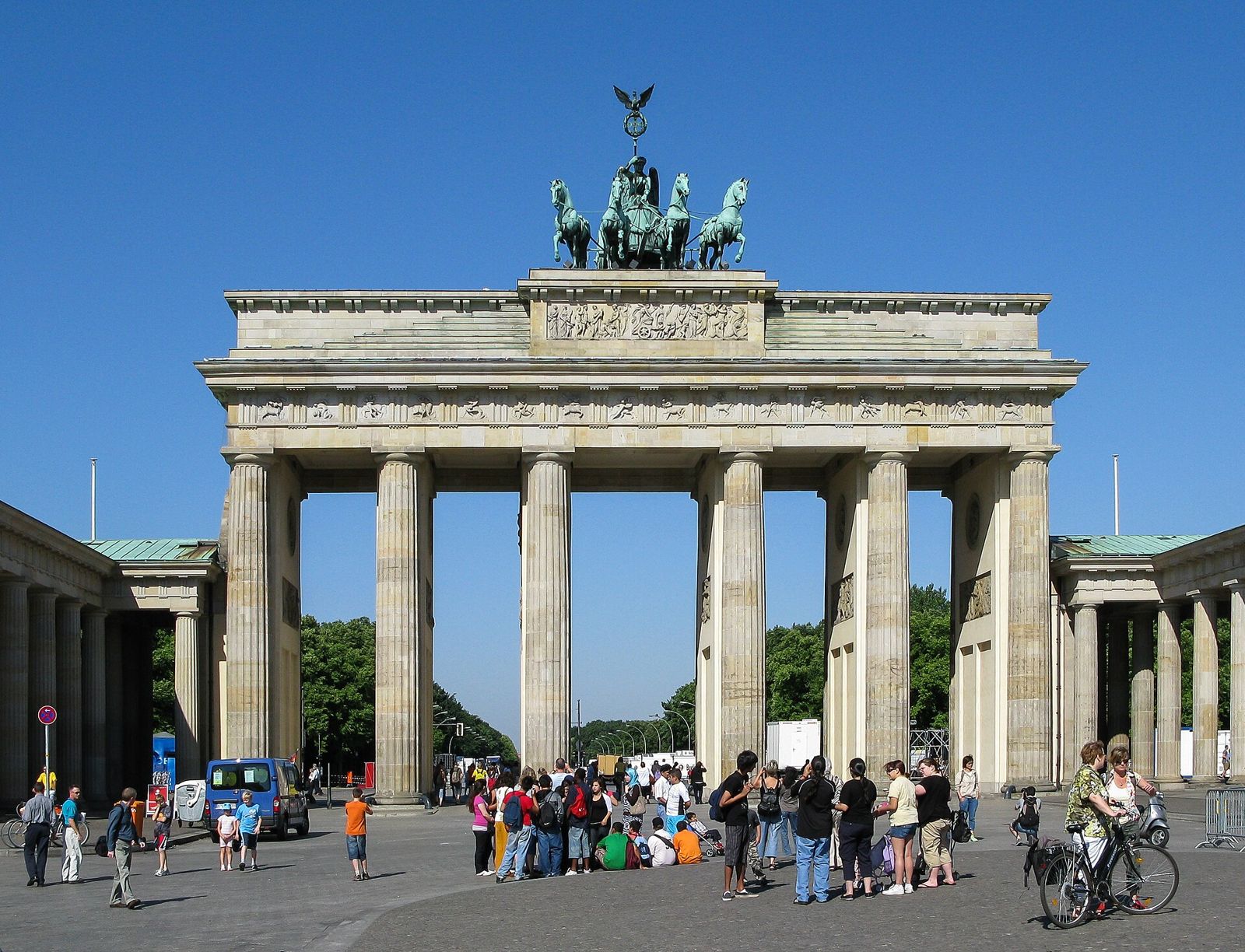
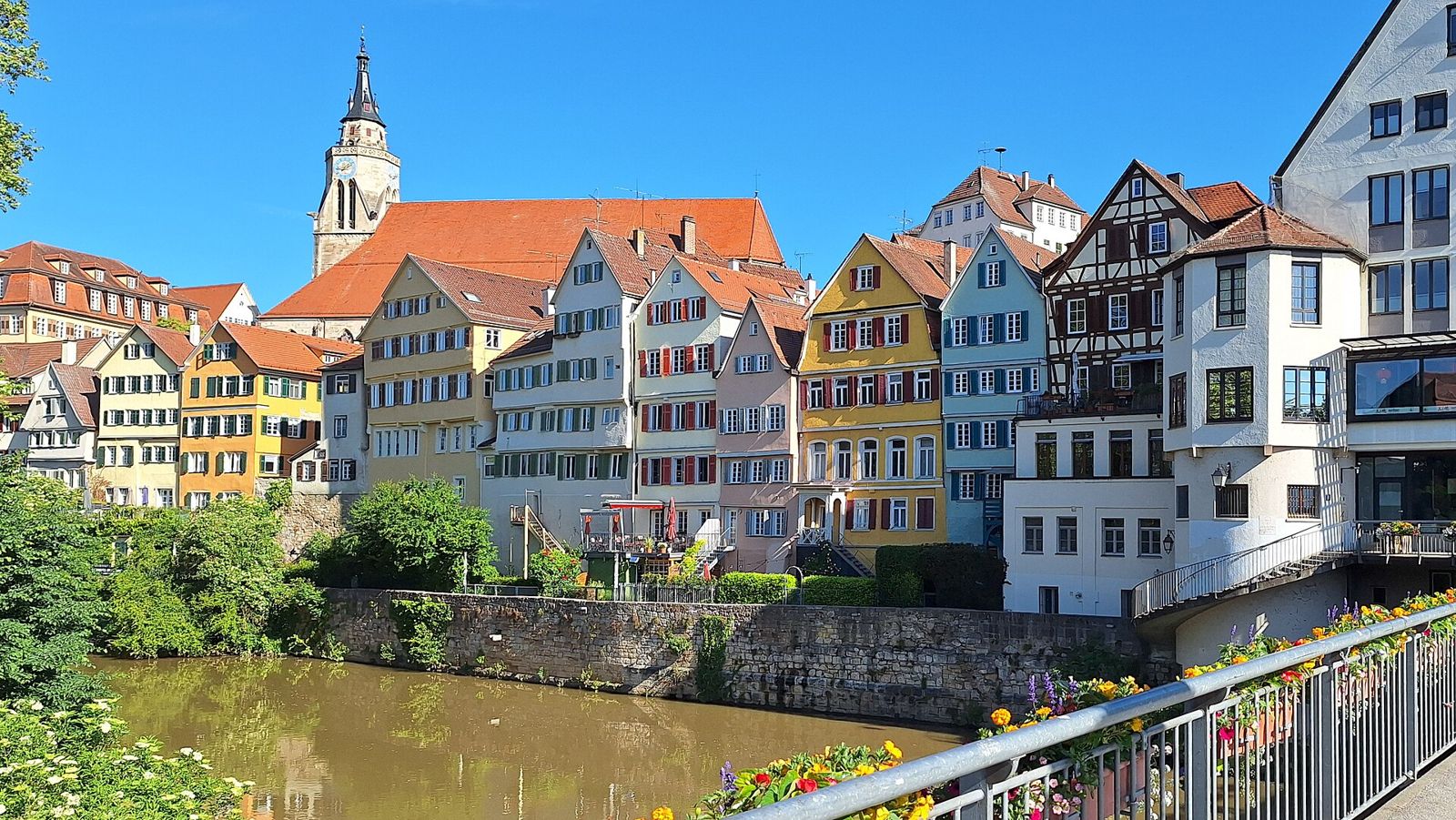
Life there, in pictures
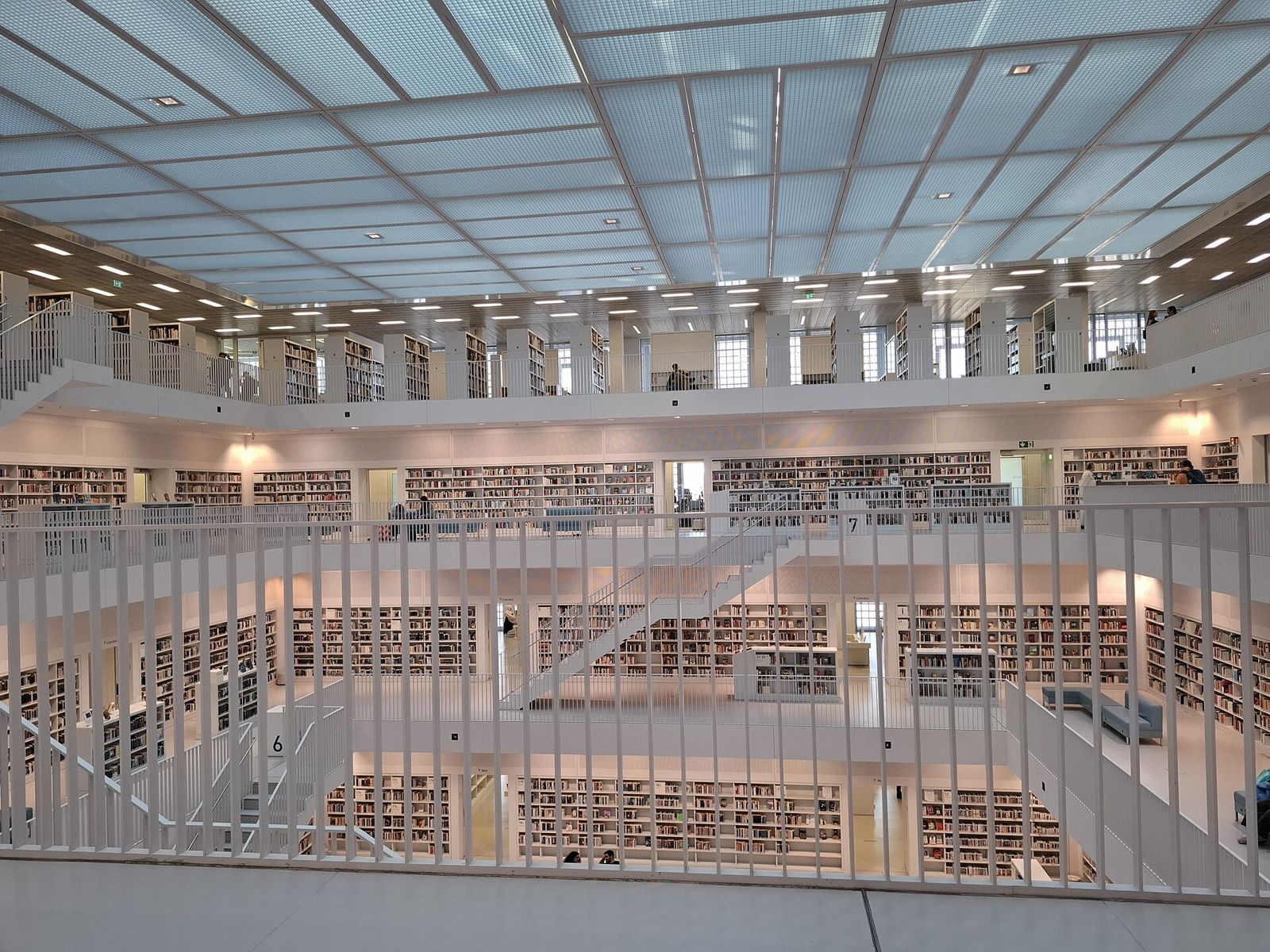

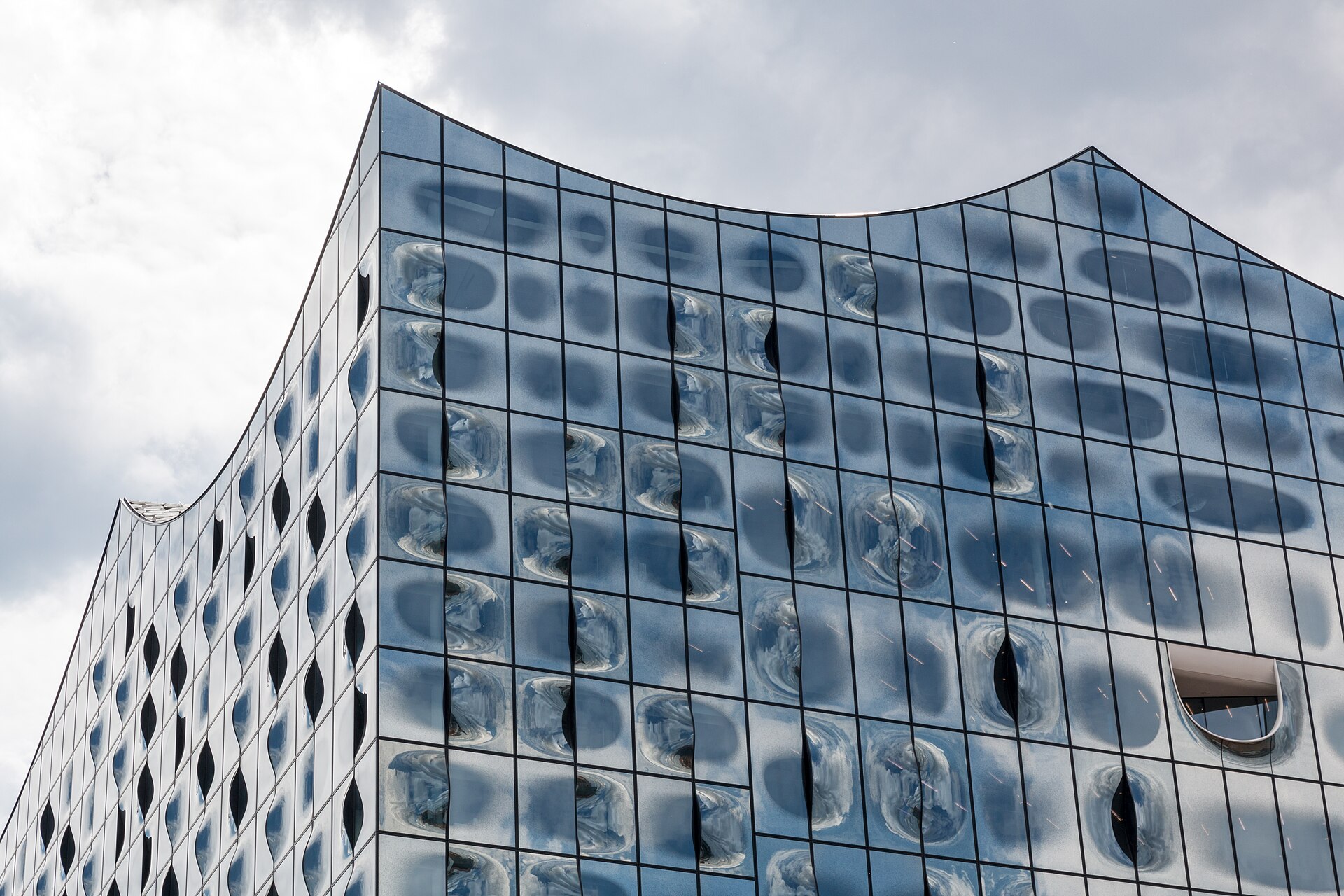
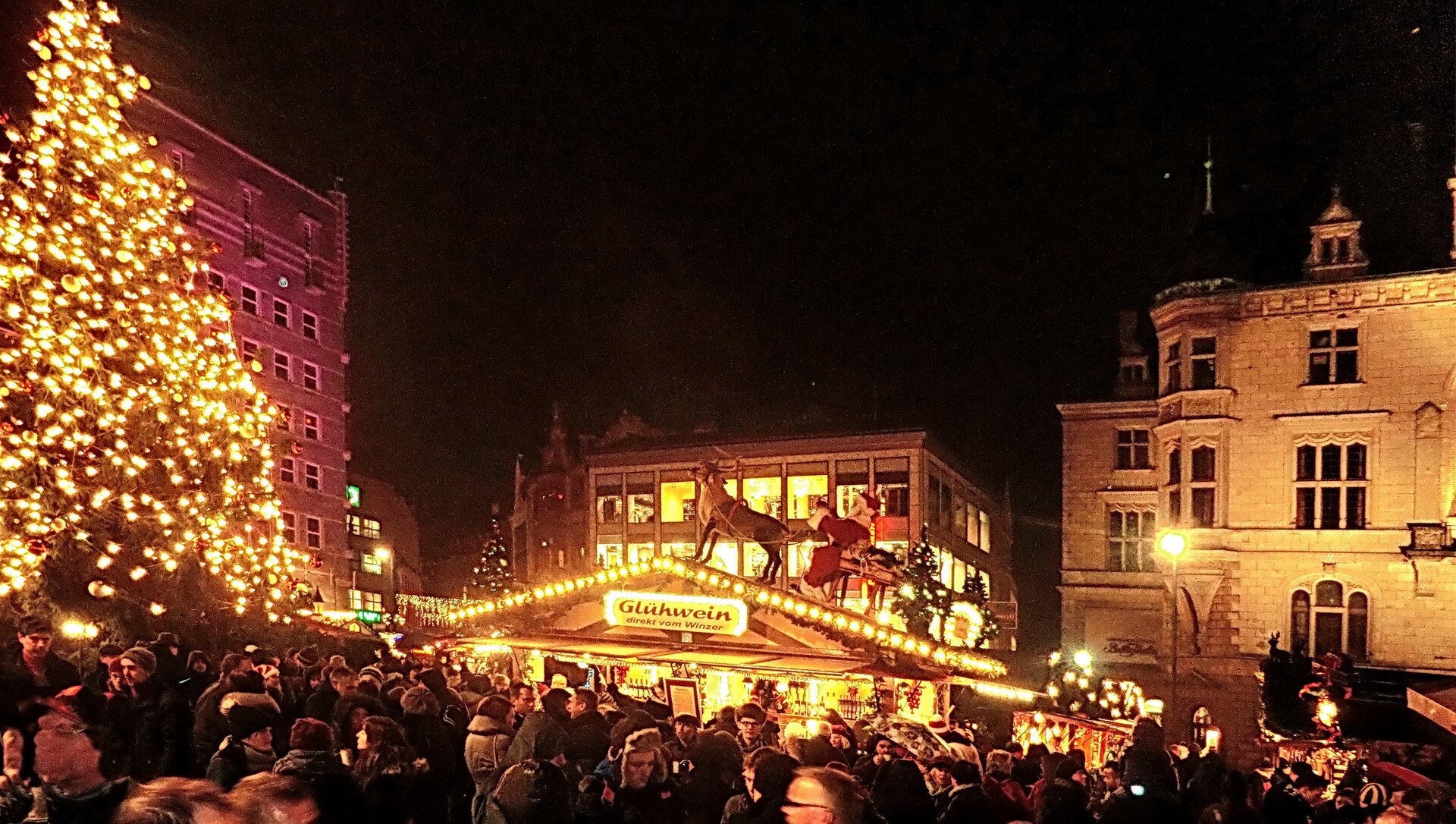
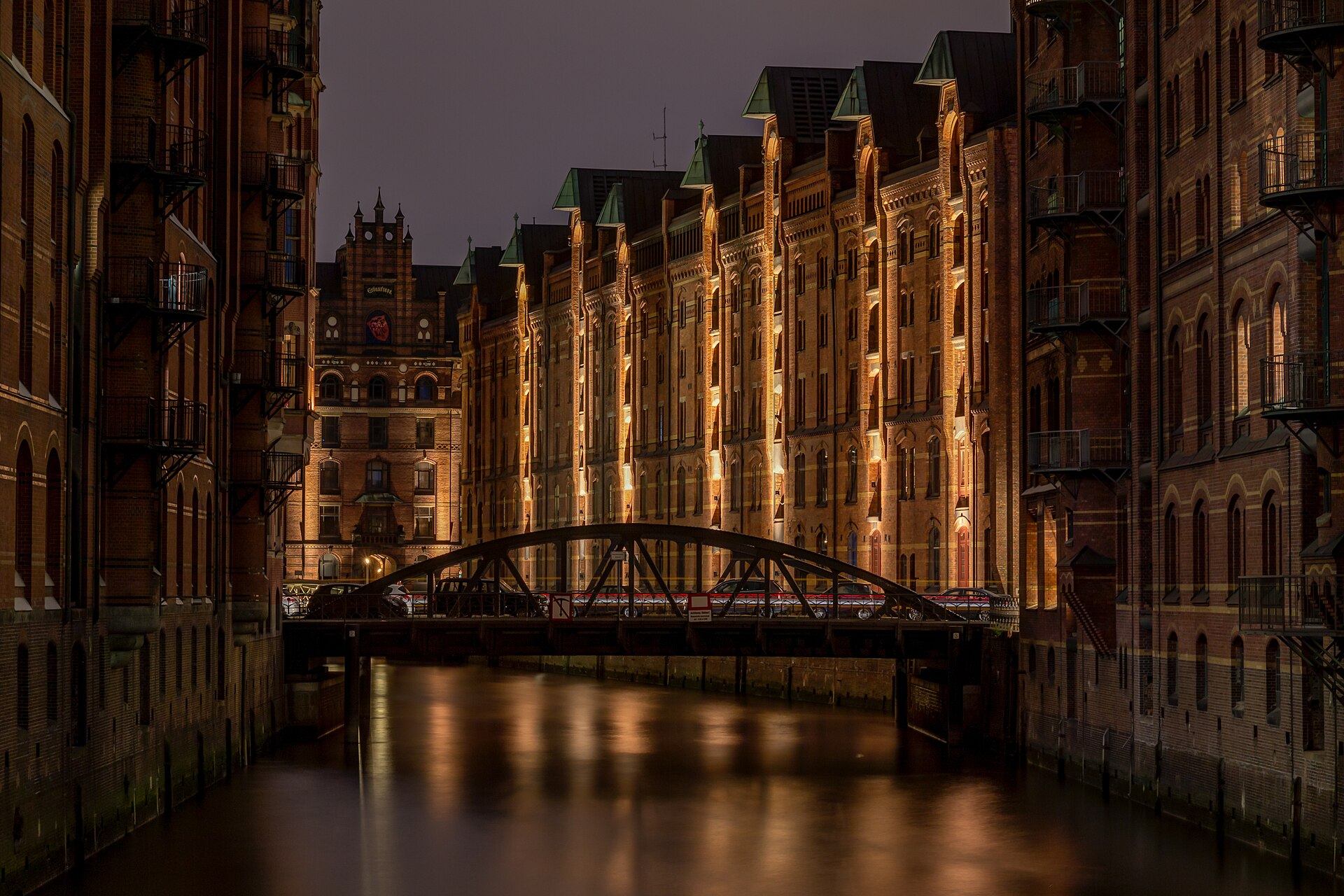
Life & culture
- Lifestyle
Life in Germany balances work and play: efficient by day, cosy by night. Expect bike lanes everywhere, Sunday quiet hours, and a deep love of parks, lakes and Christmas markets.
- Culture
Direct, reliable and quietly warm once you're in. Punctuality is respected, recycling is a sport, and there's a festival for nearly everything.
- Food
Beyond bratwurst and pretzels: hearty bakeries on every corner, döner kebabs born in Berlin, and a booming vegan scene in the big cities.
- Weather
Four real seasons — green, mild summers and crisp, sometimes snowy winters. Pack a good jacket and an umbrella.
- Language
German is the everyday language, but English is widely spoken in cities and across many Master's programs. We help you start learning German early.
- Getting around
World-class public transport — trains, trams and buses — often bundled into your semester ticket. Cycling is a way of life.
- Healthcare
Health insurance is mandatory and excellent. Public (statutory) insurance is the norm for students and very affordable.
- Accommodation
Student dorms (Studentenwohnheim) are the best value; shared flats (WGs) are the cultural classic. Start your search early in big cities.
- Visa guide
Most students apply for a national (D) visa, then a residence permit on arrival. A blocked account is usually required to prove funds.
- Cost of living
Berlin and Leipzig are kind to a student budget; Munich is the priciest. Plan around €11,900/year for the blocked account.
- Salaries & work
Working students earn roughly €13–16/hour. Graduate starting salaries in engineering and IT are among Europe's strongest.
- Work & career
Students may work 140 full or 280 half days per year. After graduating, an 18-month job-seeker permit gives you time to land a role.
Postcards from students
“From a small town to a Master's in Munich. Escape Towns handled the scary paperwork — I just packed!”
Lena, 24 · Germany
“Started my Ausbildung in Hamburg and I'm getting paid to learn. Still can't believe it.”
Marek, 19 · Germany
Programs you can participate here
Master
Postgraduate degrees at top German universities — research, specialise, and level up your career.
Available in Germany
Bachelor
Start your degree in Germany with full support from application to arrival.
Available in Germany
Ausbildung
Earn while you learn with Germany's paid vocational training pathway.
Available in Germany
Good questions
Do I need to speak German?
Not for many Master's programs, which are taught in English — but everyday German makes life (and job-hunting) much easier, so we help you start.
Is public university really free?
Most public universities charge only a small semester fee (around €150–350) rather than tuition. Private universities do charge tuition.
What is a blocked account and how much do I need?
It's a special German bank account that proves you can cover living costs. You'll typically deposit around €11,900 for the year, then withdraw a set monthly amount once you arrive.
Can I work while I study?
Yes — students may work 140 full or 280 half days per year. Working-student roles pay roughly €13–16/hour, and an Ausbildung pays you a salary while you train.
What is the Ausbildung route?
Ausbildung is Germany's paid vocational training: you split your time between a company and a vocational school, earn a monthly wage, and finish with a recognised qualification and strong job prospects.
Can I stay and work after I graduate?
Yes. Graduates get an 18-month job-seeker permit to find a role in their field, which can then lead to a longer-term work residence permit.
Where will I live, and how much does it cost?
Student dorms (Studentenwohnheim) are the best value, while shared flats (WGs) are the cultural classic. Budget around €950–1,200 a month overall — Berlin and Leipzig are gentler than Munich. Start your search early in the big cities.
Ready to explore Germany?
Book a free consultation and we'll map out your route together.
Book Free Consultation