Bachelor
Start your degree in Germany with full support from application to arrival.
- Who it's for
- High-school diploma
- Language proficiency
- Entrance requirements met
- What you'll need
- High-school transcripts
- Language certificate
- Motivation letter
Your timeline
- 1.PlanPick a field and target universities.
- 2.PrepareFoundation/entrance requirements if needed.
- 3.ApplySubmit applications and track deadlines.
- 4.VisaSecure your student visa.
- 5.BeginMove in and start your first semester.
- Costs
Public German universities are largely tuition-free — plan mainly for living costs.
- Scholarships
Merit and need-based awards, plus Germany-specific grants like Deutschlandstipendium.
- Popular universities
- LMU Munich
- RWTH Aachen
- University of Cologne
- Where it leads
- Graduate roles
- Master's study
- Internships abroad
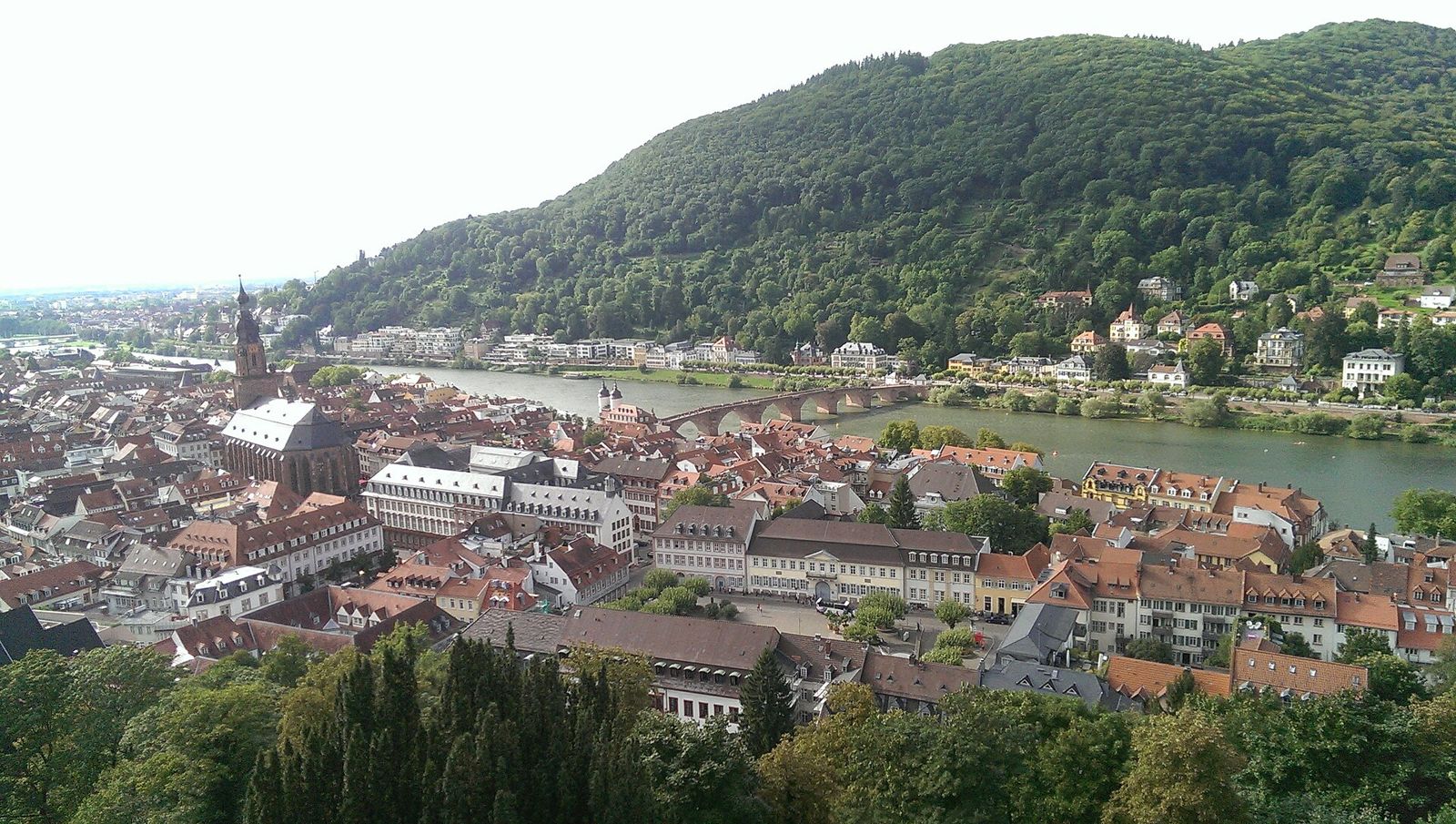
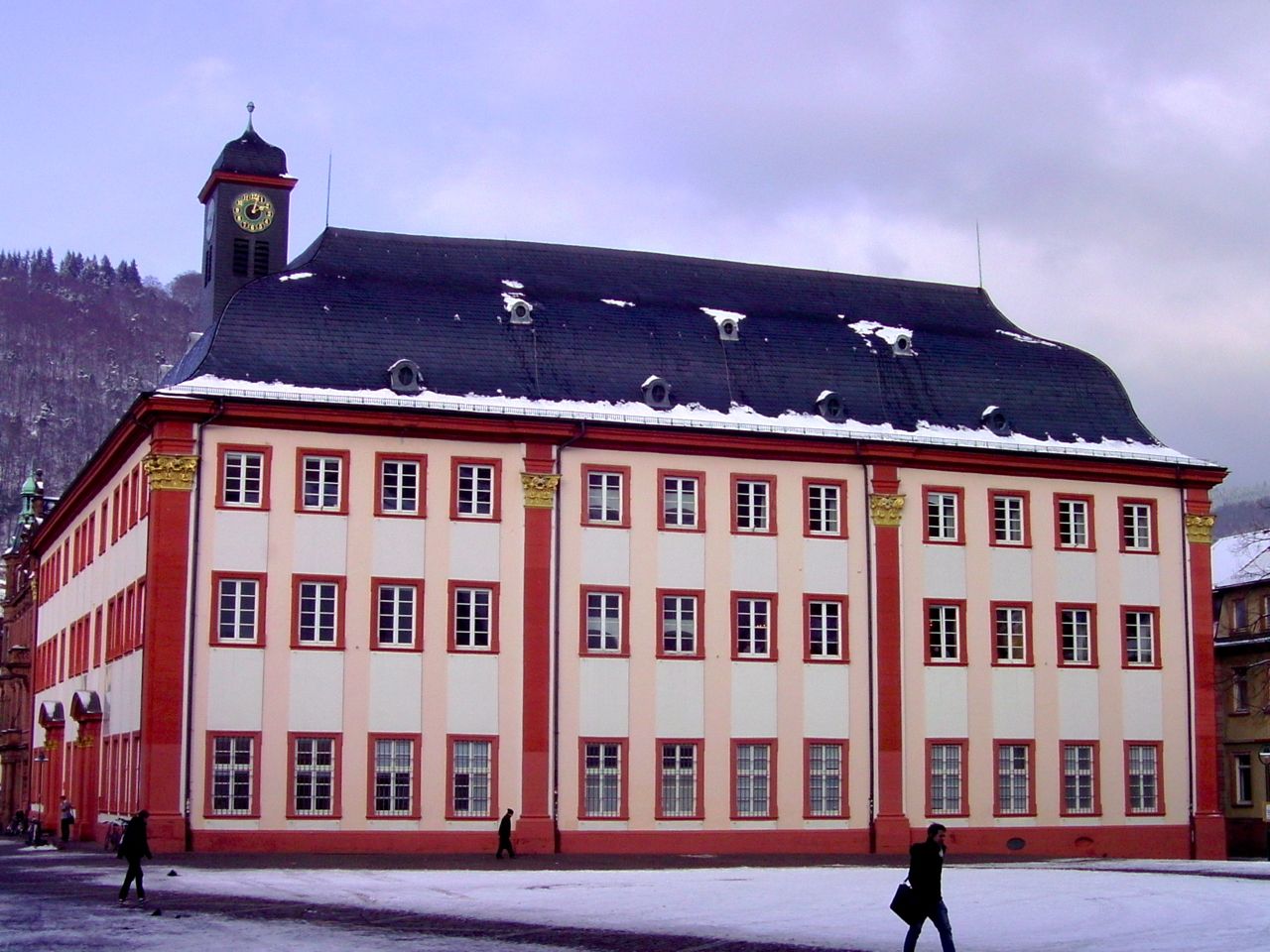
The experience, in pictures

Talk to someone who's done it
Before you decide anything, we'll connect you with our students and alumni who went through this exact program — real experiences, honest answers, no filter.
Ask to talk to a studentGood questions
Do I need a foundation year?
Sometimes — if your school certificate isn't directly recognised, a foundation year (Studienkolleg) bridges the gap. We'll check for you.
Can I study a Bachelor's in English?
Yes — Germany has a growing number of English-taught Bachelor's programs, and we help you find them.
What grades do I need?
It varies by program — we match you to options that fit your grades and strengthen your application.
How much does a Bachelor's cost?
Public German Bachelor's are usually tuition-free (small semester fee); we'll calculate a realistic living budget.
How long is a Bachelor's?
Usually 3 years (6 semesters) in Germany.
When should I start?
Ideally 8–12 months before your intake — recognition checks and visas take time.
Start your application
Start your degree in Germany with full support from application to arrival.
Book Free Consultation